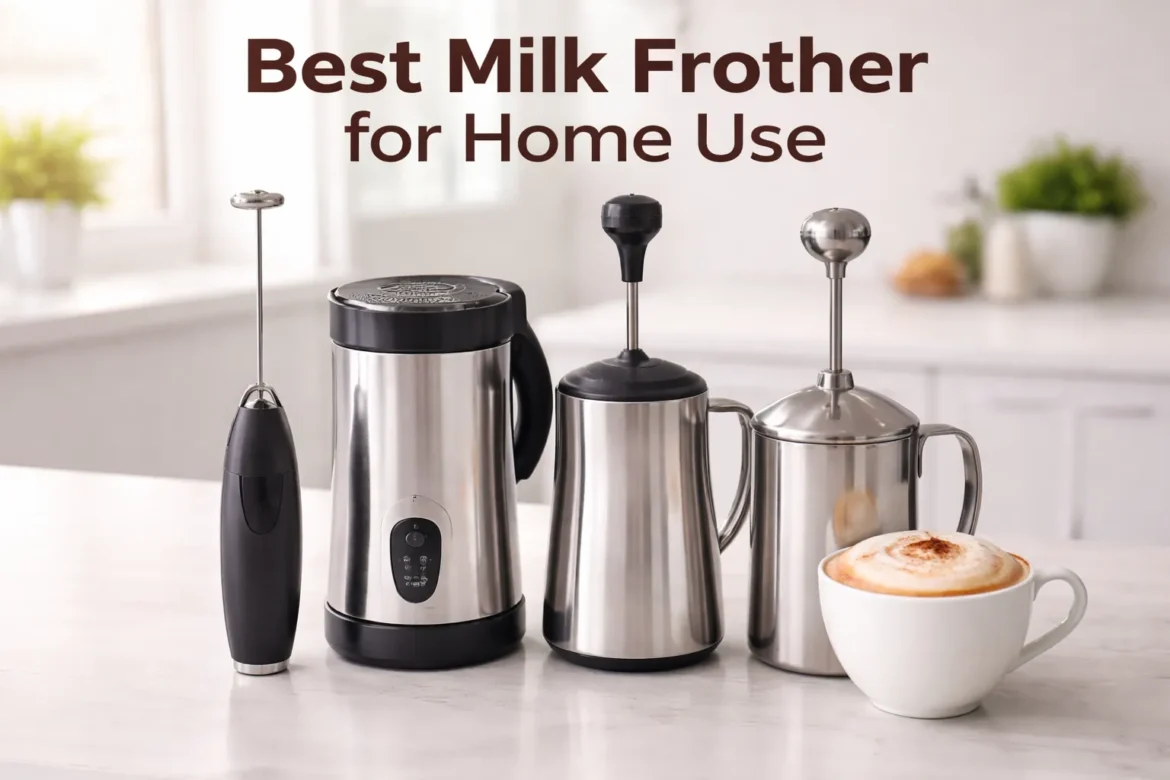
Introduction
A cappuccino needs thicker, denser foam than a latte or flat white, so the best milk frother for cappuccino is the one that can build a stable foam cap instead of producing loose, airy froth. For this use case, foam quality matters more than raw froth volume.
The strongest buying decision usually comes down to four variables: foam density, consistency from cup to cup, the size of the cappuccino you normally make, and how much effort you want in your daily routine. For most home users, convenience and repeatability matter more than barista-style experimentation.
What Makes a Milk Frother Good for Cappuccino?
Cappuccino foam requirements
A good cappuccino frother should produce hot foam with a tighter bubble structure and enough body to sit on top of espresso without collapsing too quickly. The target is not just ‘more foam’ but foam with better structure.
That is why many frothers that work well for general milk drinks still underperform for cappuccino-first buyers. A loose froth can look acceptable at first but often separates fast and weakens the drink texture.
Why cup style and drink ratio matter
Traditional cappuccinos are often served in smaller cups, so a frother should handle smaller milk batches without losing texture quality. A machine that only performs well with larger fill volumes can be less suitable for this page intent.
Users who prefer modern, larger cappuccinos may value capacity more, but users who want a classic cappuccino profile should put more weight on precision, foam density, and small-batch practicality.
Which Type of Milk Frother Is Best for Cappuccino?
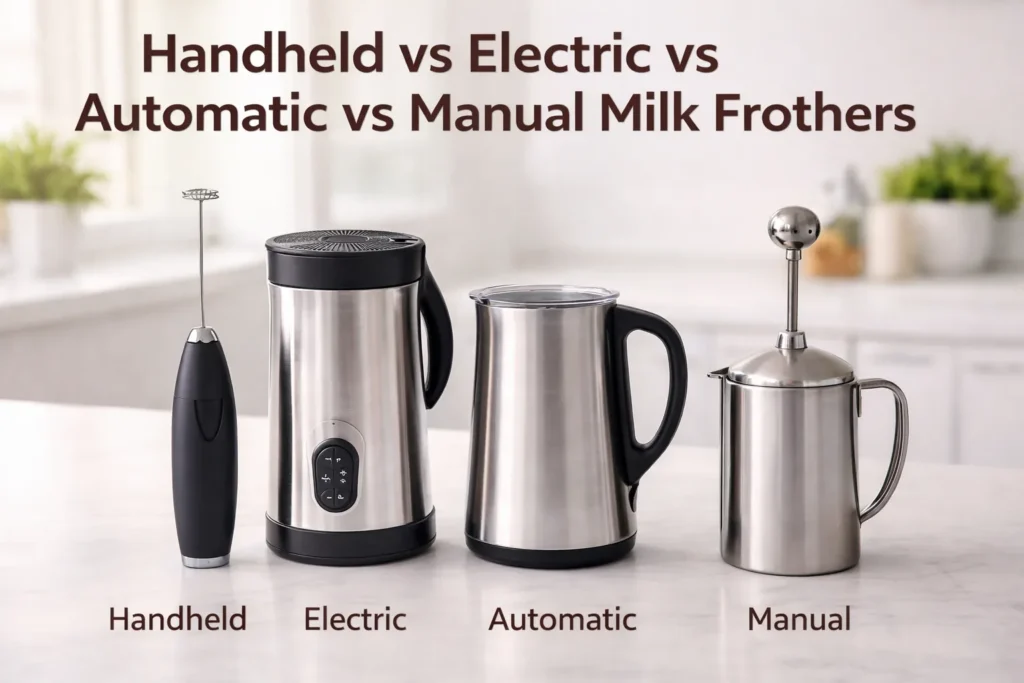
Automatic milk frothers
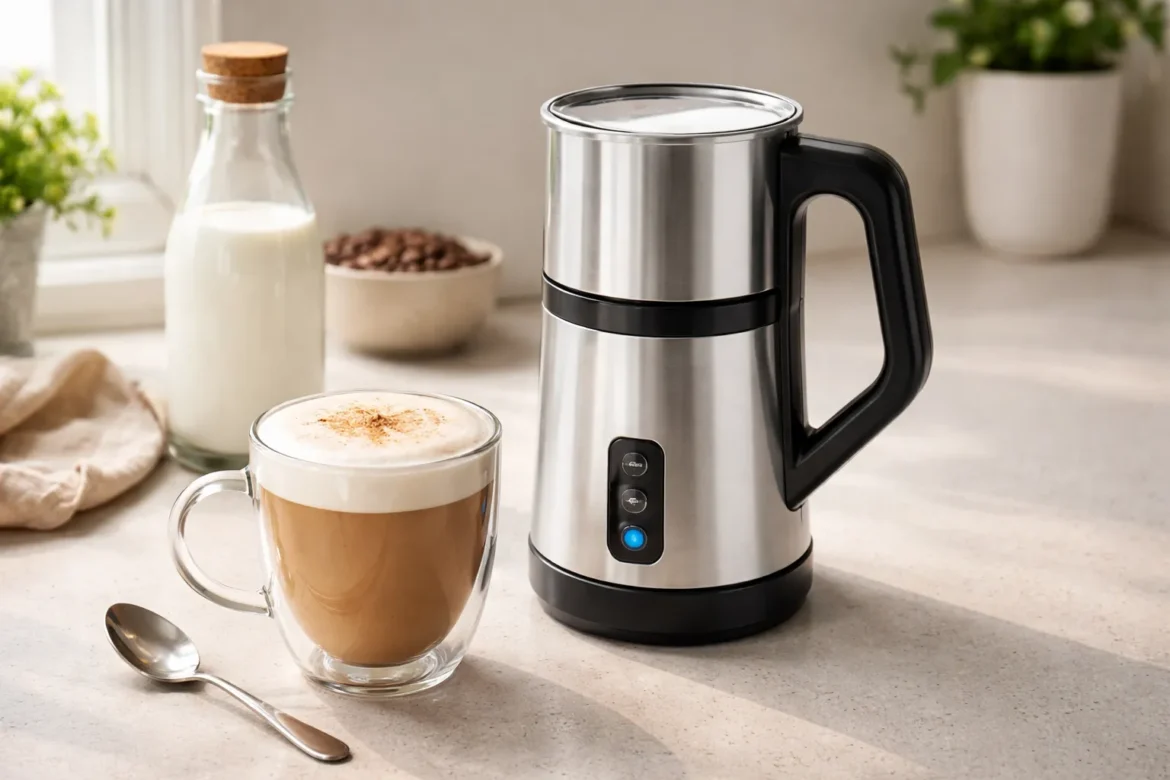
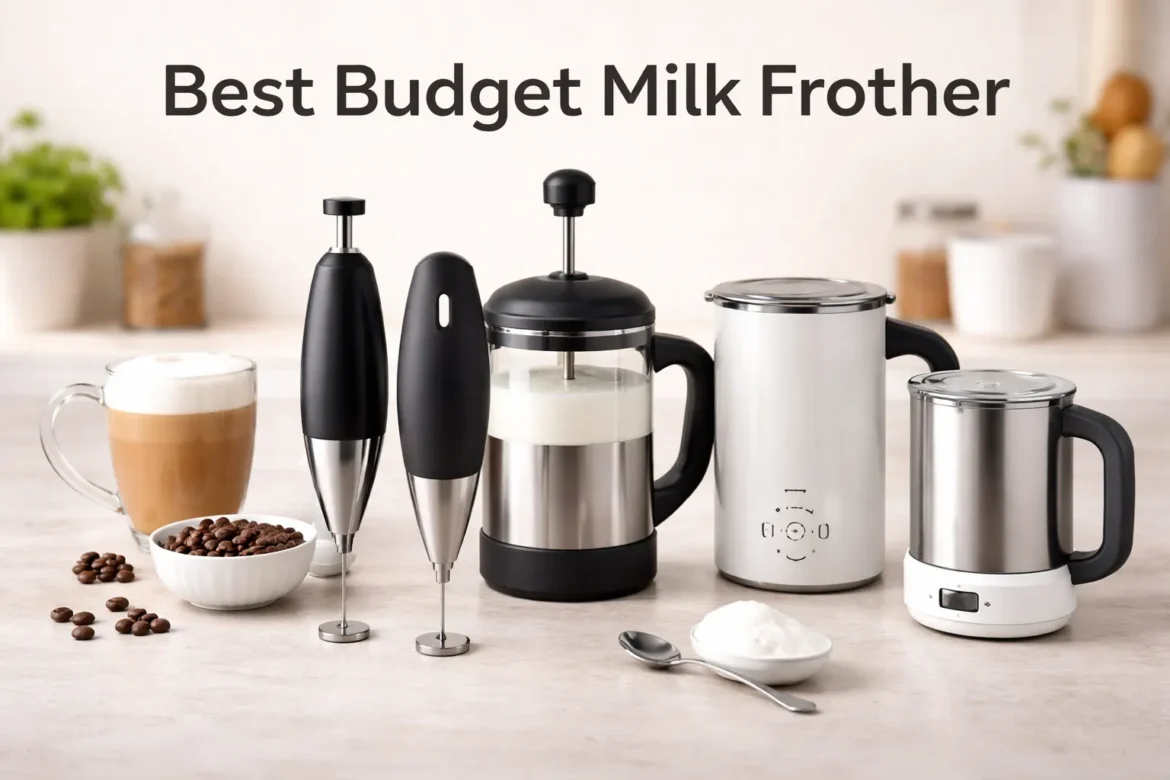
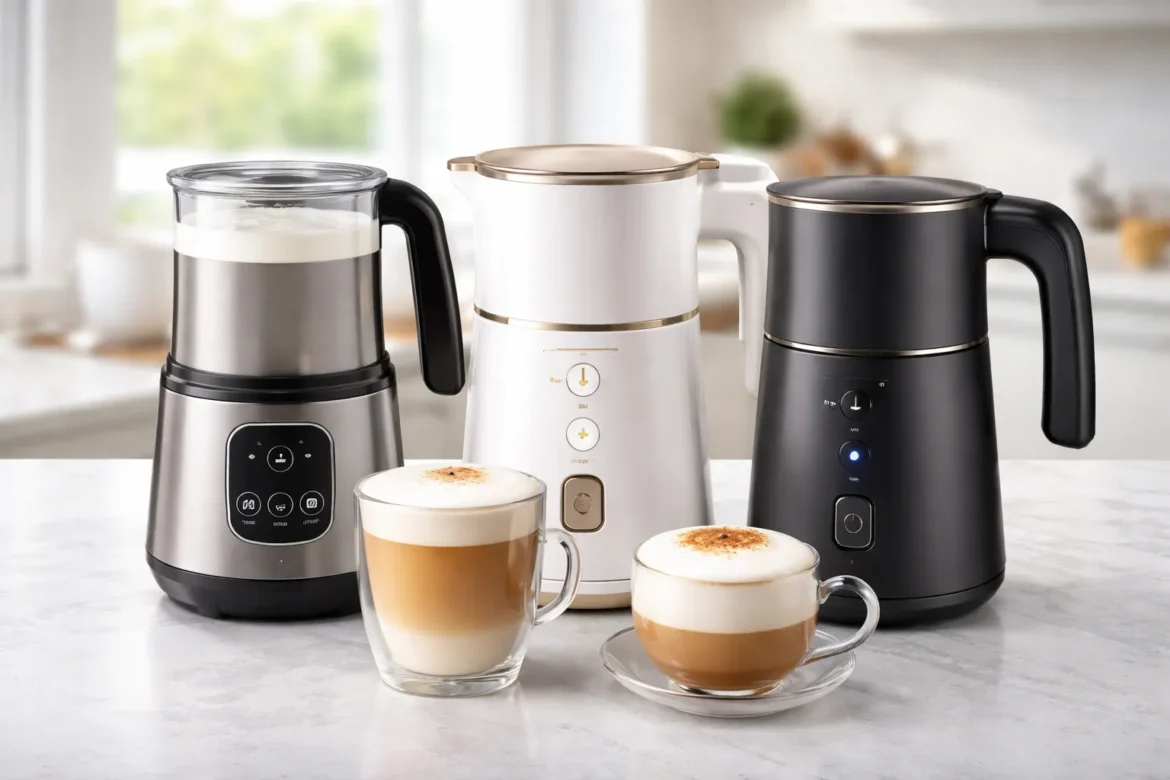
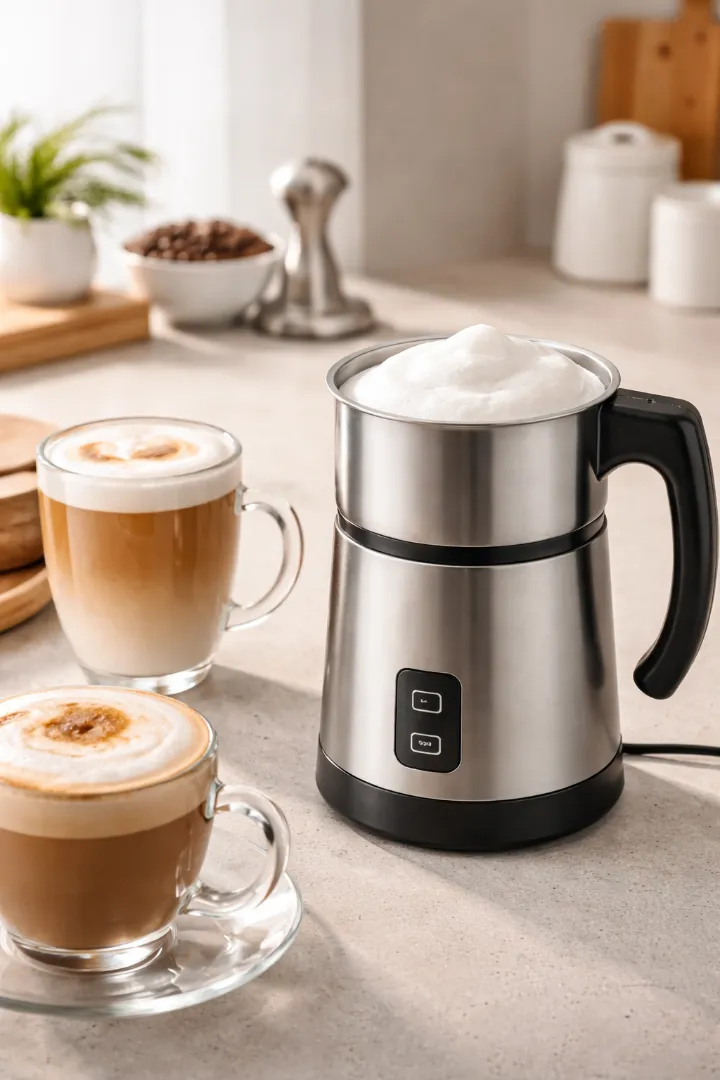
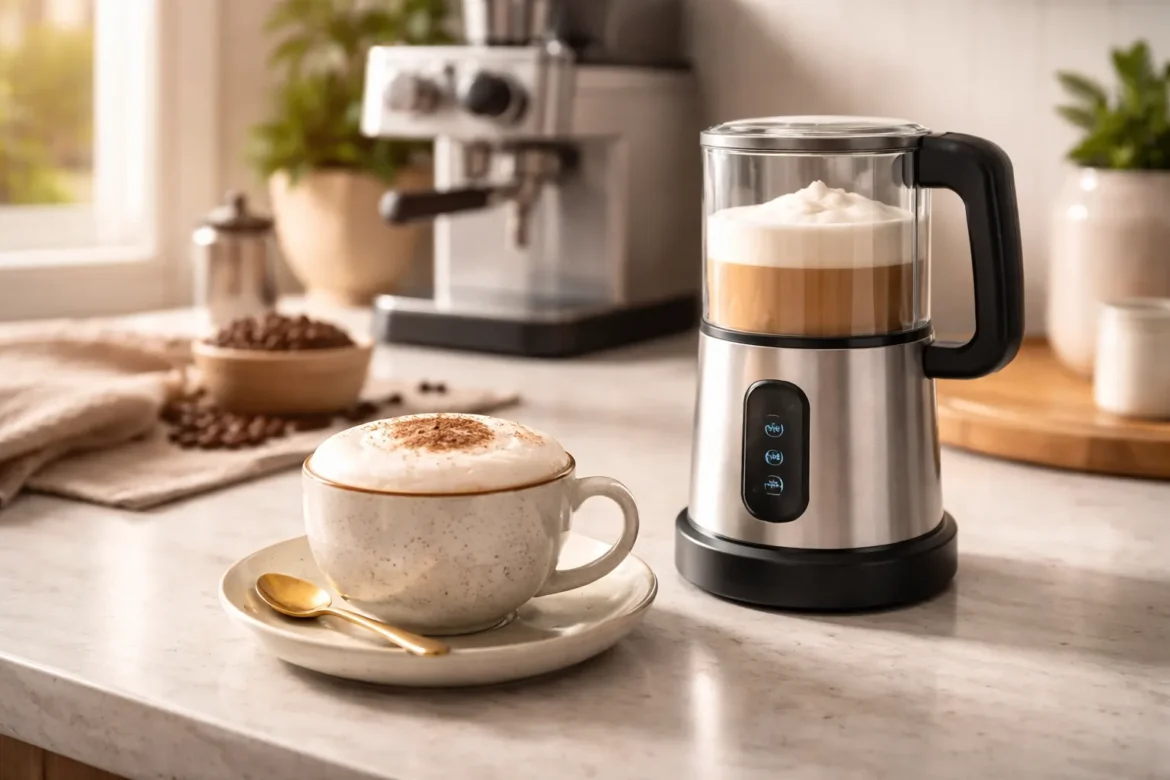
For most home users, an automatic milk frother is the strongest overall fit. It gives repeatable dense foam with minimal effort, and the best models offer separate hot-foam modes that move closer to a cappuccino texture instead of a flatter latte foam.
That makes the automatic route the safest recommendation for buyers who want rich foam at home without a learning curve. This page should later link to the automatic milk frother page where the convenience-first route is covered in more depth.
Electric milk frothers without steam pressure
Standard electric milk frothers can still work very well for cappuccino when they are designed to create thicker hot foam. The key difference is that better units produce creamy, structured froth, while weaker ones produce airy foam with large bubbles.
These models often suit buyers who want a balance of price, speed, and everyday simplicity without stepping into espresso-machine territory.
Manual frothers
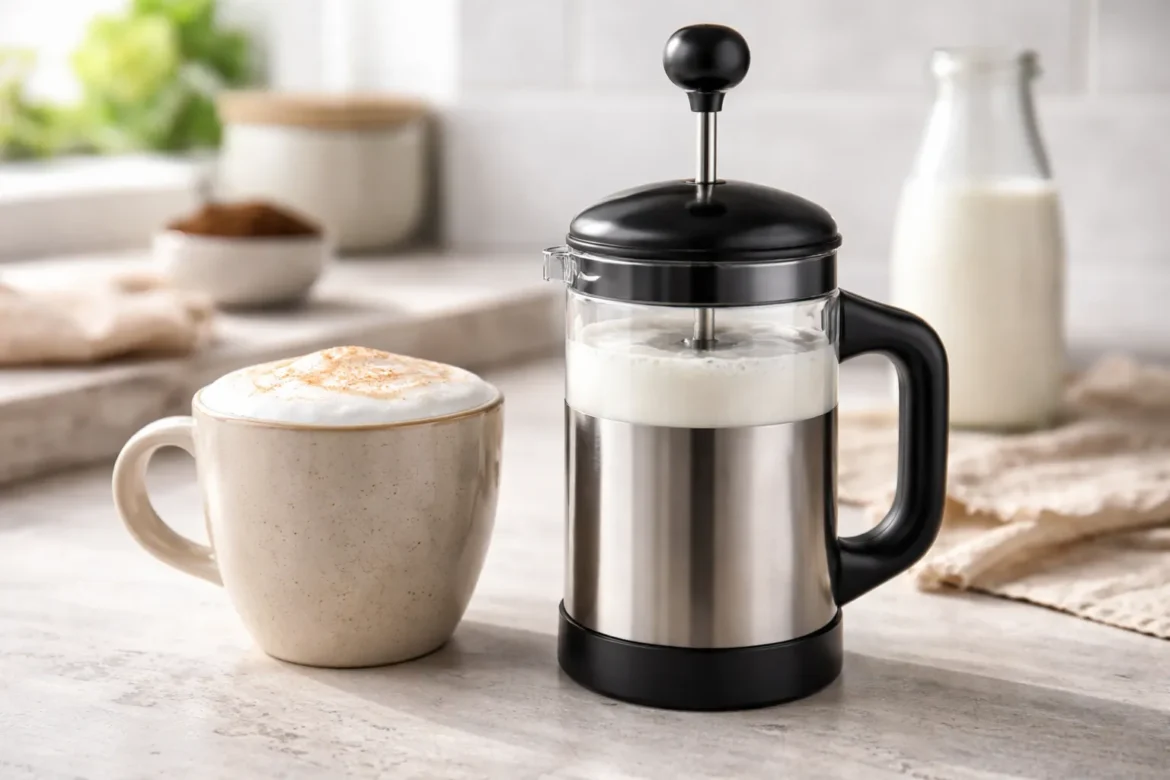
Manual pump-style frothers can produce surprisingly thick foam and may suit buyers who want control at a lower cost. They are often viable for occasional cappuccino drinkers and users who do not mind extra effort.
However, manual frothing is less convenient for daily routines, and results vary more from one cup to the next.
Handheld frothers
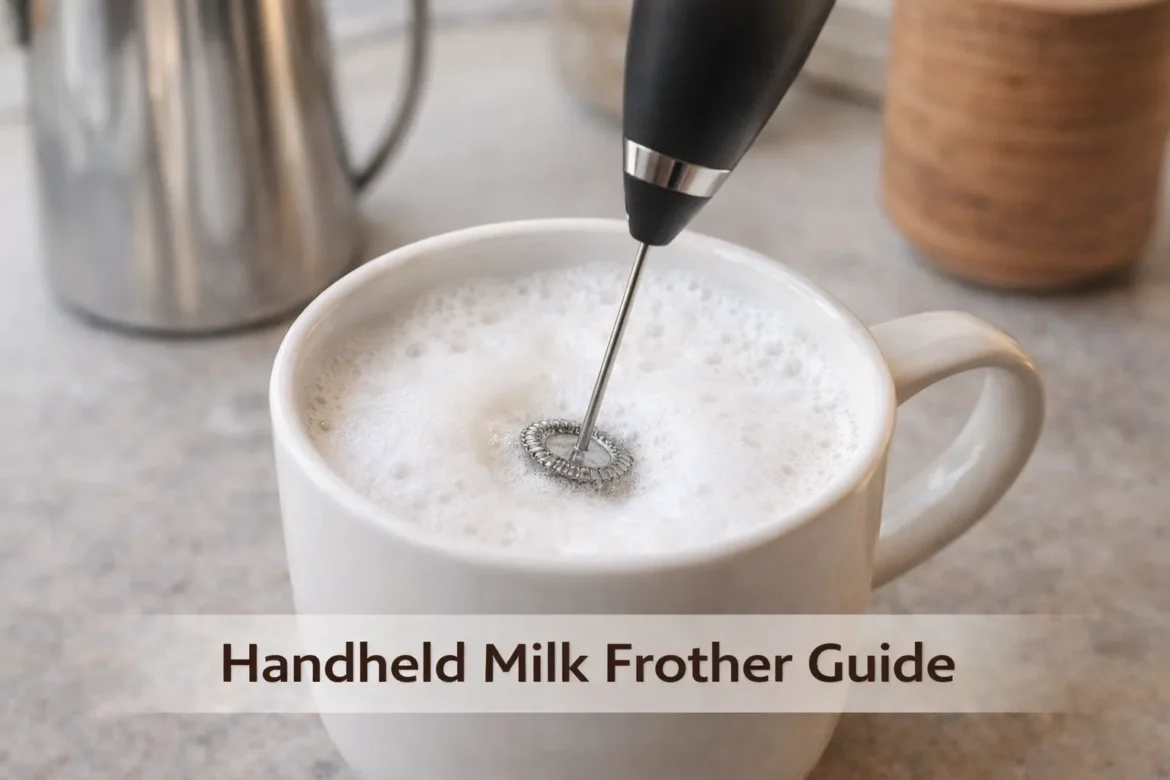
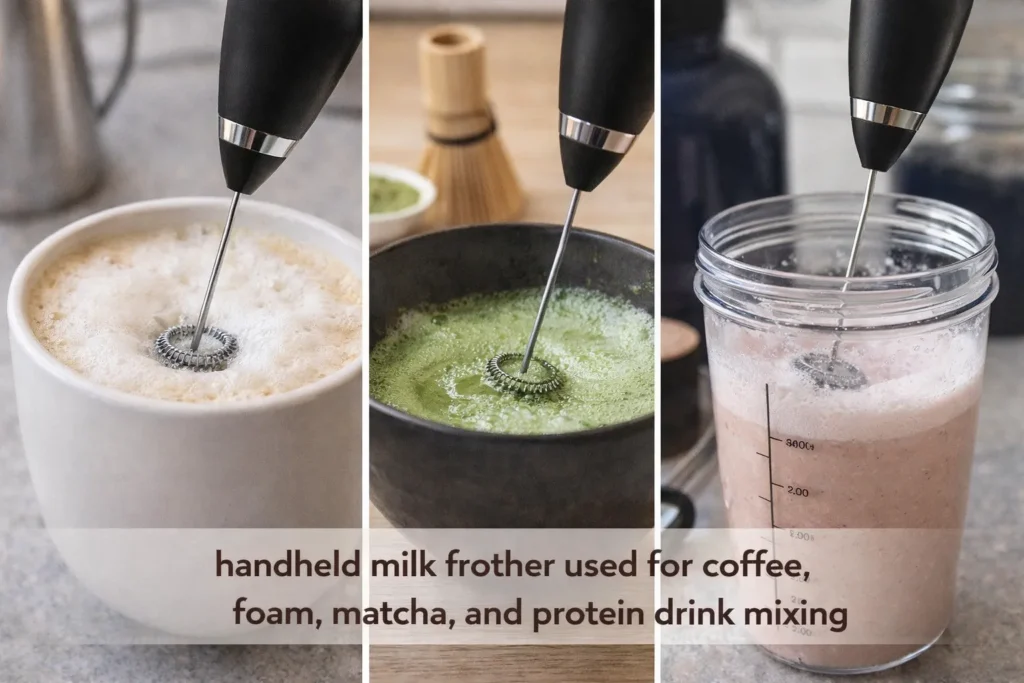
Handheld milk frothers are usually the weakest match for cappuccino-focused buyers. They can make acceptable foam in some situations, but density and consistency are less reliable, especially when compared with automatic or stronger electric units.
That makes them better as entry-level or occasional-use tools rather than the best route for a thick, repeatable cappuccino cap.
Steam wand alternatives
A steam wand still sets the performance benchmark for café-style cappuccino texture because it gives more direct control over aeration and final milk texture. In skilled hands, it can outperform most stand-alone frothers for traditional cappuccino results.
At the same time, it requires more skill, more cleanup, and a larger espresso setup. This page should later link to the milk frother vs steam wand comparison for users deciding between convenience and control.
Best Choice by User Type
Best for beginners
Automatic frothers are usually the best starting point because they reduce technique errors and create a reliable result with one-button operation. For a beginner who wants thick cappuccino foam every morning, this is the lowest-friction path.
Best for richer café-style texture
A steam wand or a higher-performing automatic frother is usually the strongest fit for users who care most about texture depth and drink presentation. The trade-off is either higher skill demand or higher product cost.
Best for low budget or occasional use
Manual and handheld frothers can still make sense when the budget is limited or cappuccino is only an occasional drink. They are acceptable entry routes, but they should be chosen with realistic expectations about consistency and convenience.
Best for a fast daily routine
Automatic frothers win here because they heat and froth in one cycle, reduce cleanup friction, and make it easier to repeat the same drink before work or during a rushed morning routine.
What to Look for When Buying a Milk Frother for Cappuccino
Foam density and texture control
Prioritize frothers that are known for thick hot foam rather than generic frothing claims. A model with multiple foam modes or a cappuccino-style setting is usually a stronger fit than a unit marketed only for light froth.
Capacity and single-cup practicality
Check the minimum and maximum fill levels carefully. Cappuccino drinkers often need precise control over smaller milk quantities, so a machine that only performs well with large batches may be a weaker fit.
Heat performance and milk compatibility
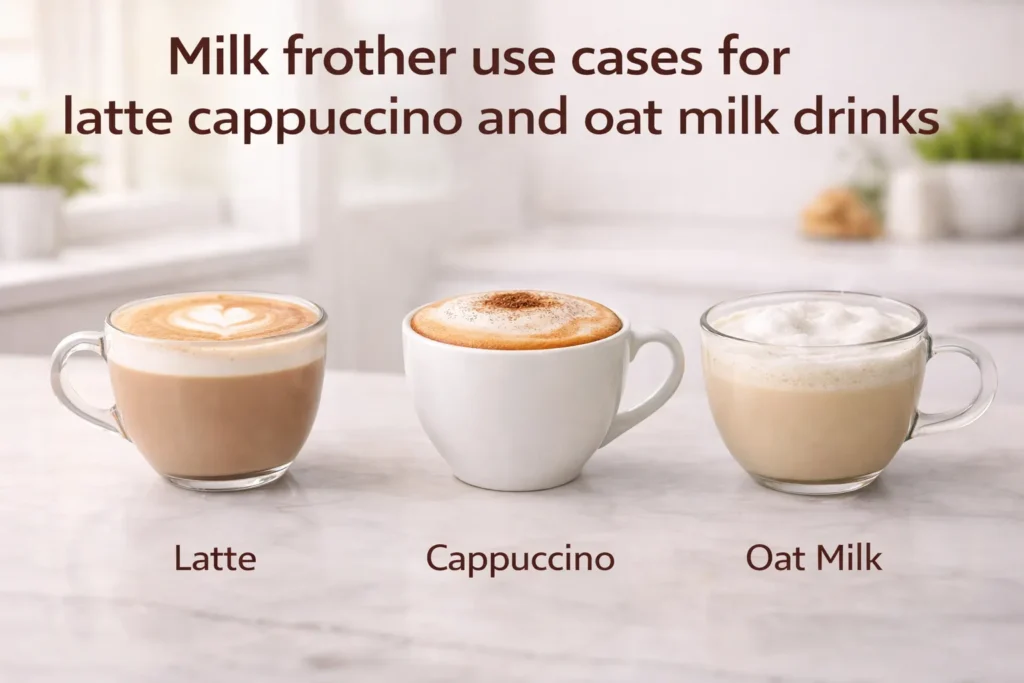
Whole milk is often the easiest route for thick foam, but many buyers also use lower-fat milk or barista-style plant milk. A better frother maintains strong texture across more than one milk type, which is important for real daily use.
Cleaning, repeat use, and durability
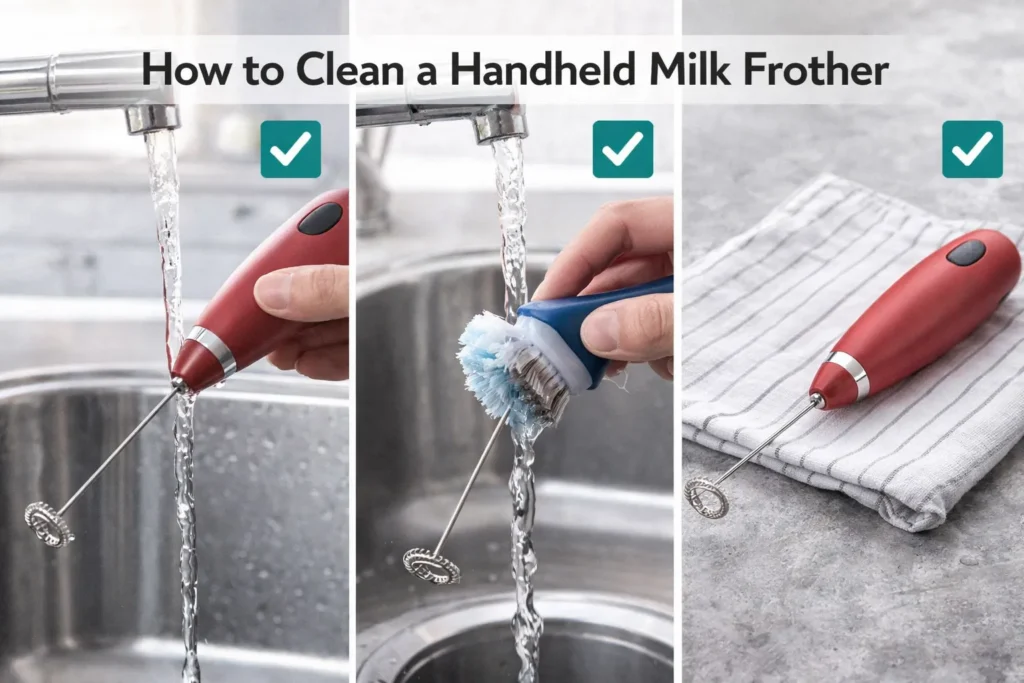
Daily cappuccino drinkers should pay attention to non-stick interiors, easy lid cleanup, removable parts, and cycle consistency over repeated use. (milk frother buying guide)
Cappuccino Frother Comparison Snapshot
This comparison keeps the page commercial and use-case driven by focusing on cappuccino performance rather than general popularity.
| Type | Foam Density | Consistency | Ease of Use | Speed | Best For |
| Automatic | High | High | Very easy | Fast | Most home users |
| Electric | Medium to high | Medium to high | Easy | Fast | Balanced daily use |
| Manual | Medium to high | Medium | Moderate | Moderate | Budget with control |
| Handheld | Low to medium | Low | Easy | Fast | Occasional use |
| Steam wand | Very high | High in skilled hands | Harder | Fast once learned | Café-style control |
Final Recommendation
For most buyers, the best milk frother for cappuccino is an automatic model that can produce thick hot foam consistently with minimal effort. It aligns best with the real purchase intent behind this page: rich foam at home, repeatable results, and a smoother daily routine.
A steam wand remains the stronger benchmark for buyers who already own espresso equipment and want greater control over milk texture. Manual and handheld frothers still have a place, but they are usually secondary options for budget or occasional use rather than the best overall answer for cappuccino-first buyers.